
Individual Therapy in Los Angeles (Ages 5-9)
Child Therapy
We don't just address your child's behavior. We get to the root of it.

Caring therapists your kid can trust.

Why This Age Matters
Childhood is when the emotional blueprint gets written. Long before kids have the words to explain what they're feeling, they're learning whether the world is safe and whether they are lovable. These early lessons quietly shape everything that comes after.
Kids at this age do this without language for it, so it comes out in their behavior instead. Meltdowns, clinginess, rigidity, and withdrawal are usually a child's way of communicating something they don't yet know how to say. Because the brain is so malleable at this age, the patterns that form now tend to stick.
That's what makes early support so valuable. This is the age when the right help goes the furthest.

Parents come to us when their child:
Has meltdowns that feel bigger than the moment that started them
Needs the same reassurance over and over and it never quite sticks
Has gotten more aggressive, and you're not sure why
Won't go to school, or clings at drop-off
Has pulled back from friends or things they used to love
Falls apart when plans change
Has been through a major family transition
Has been diagnosed with ADHD or autism, or you're starting to wonder about possible neurodivergence
A lot of the time, the behavior that's hardest to deal with is your child's way of telling you something they don't know how to say. Our job is to help figure out what that is, and to give them better ways to experience and express their feelings.

What we see most often:
Anxiety
We help kids feel safer in their bodies and more equipped to face what scares them.
ADHD
We help families understand what's happening neurologically and find what works at home and at school.
Autism
We help kids find their footing in a world that isn't built for how they think and feel, and help the adults around them adjust expectations in ways that are fair. We also work with kids who don't have a diagnosis but share similar experiences.
Behavioral Struggles
We help you figure out what's underneath the behavior so you can respond differently. That tends to change the dynamic faster than any consequence chart.
Major Family Transitions
We help kids process transitions — divorce, a move, a new sibling, a loss — and give them space to make sense of what's shifted.
Perfectionism and Sensitivity
We help kids build a steadier relationship with mistakes, feedback, and their own emotional intensity.
What child therapy looks like
We help young children work through what they can't yet put into words, and help parents understand what the behavior is really about and how to respond.

Parents aren’t on the sidelines.
We collaborate with parents throughout treatment. This often looks like weekly or monthly parent sessions, but it can also look like parent check-ins or a specific conversation about something we noticed and what it might mean. The format depends on your family's specific context and needs.
The work goes further when it carries into your child's daily life, and you're the person who makes that happen. You'll walk away with a clearer picture of what's driving your child's behavior and real things to try at home. We coordinate with schools, pediatricians, and other healthcare professionals in your child's life when appropriate.

Over time, most kids start to:
Get better at naming what they're feeling (instead of just reacting)
Tolerate frustration without the wheels coming off
Feel braver about things that used to scare them
Carry themselves with more confidence, at school and at home
Our Approach
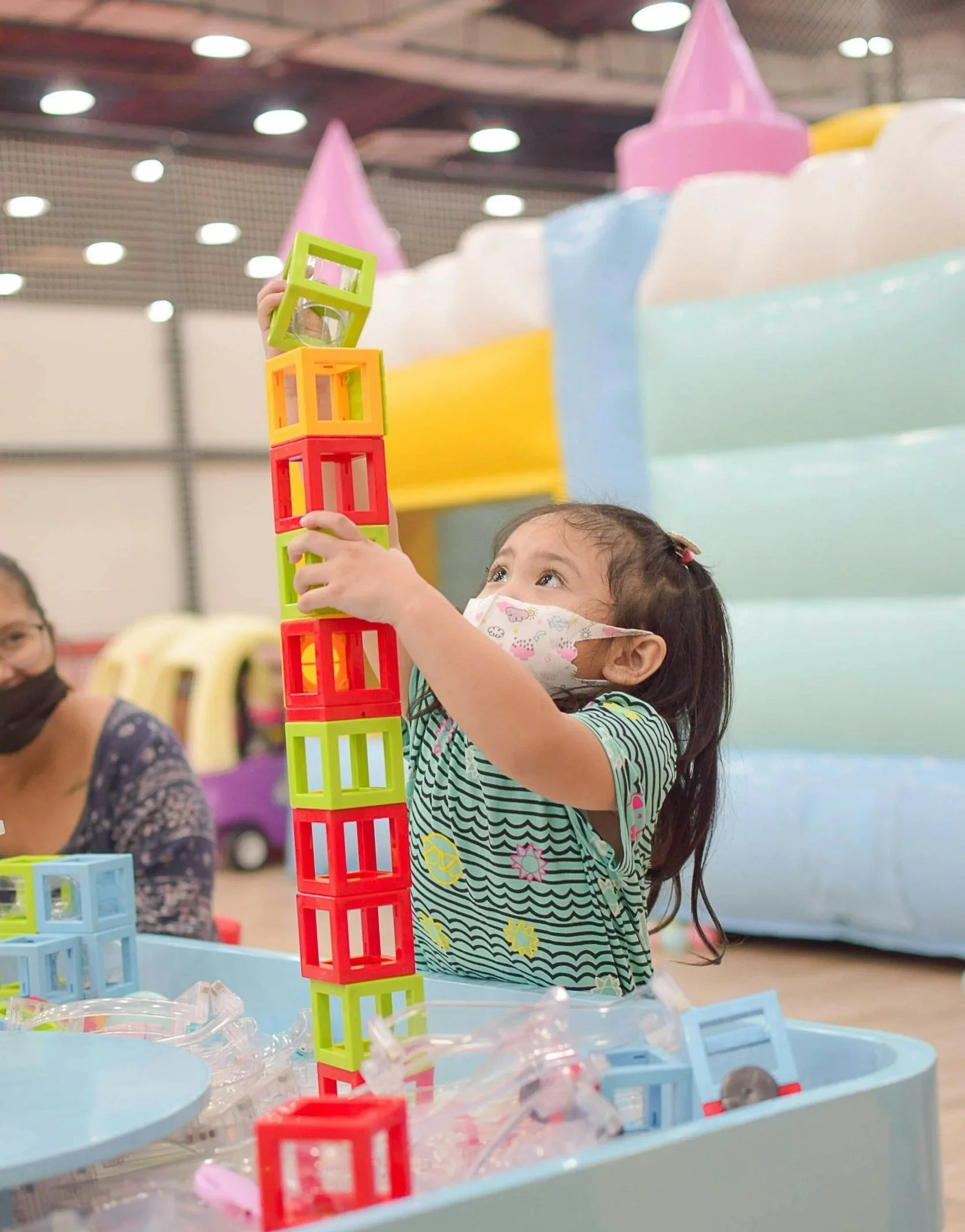
Kids in this age range don't just sit across from a therapist and talk about their feelings. They also need to play them out.
Sessions with us may involve drawing, building, games, sandtray, or storytelling. It looks casual from the outside, and that's intentional. Play gives children the distance they need to approach difficult things; feelings and experiences they can't access directly find their way into child's play.
Depending on what your child needs, we also use CBT, attachment-based interventions, and EMDR.
We are trained in child development specifically, which matters because good therapy for a 5-year-old requires a different skillset than good therapy for a teenager.

READY TO START?
You don't have to have it all figured out before you call. That's what the consultation is for.
